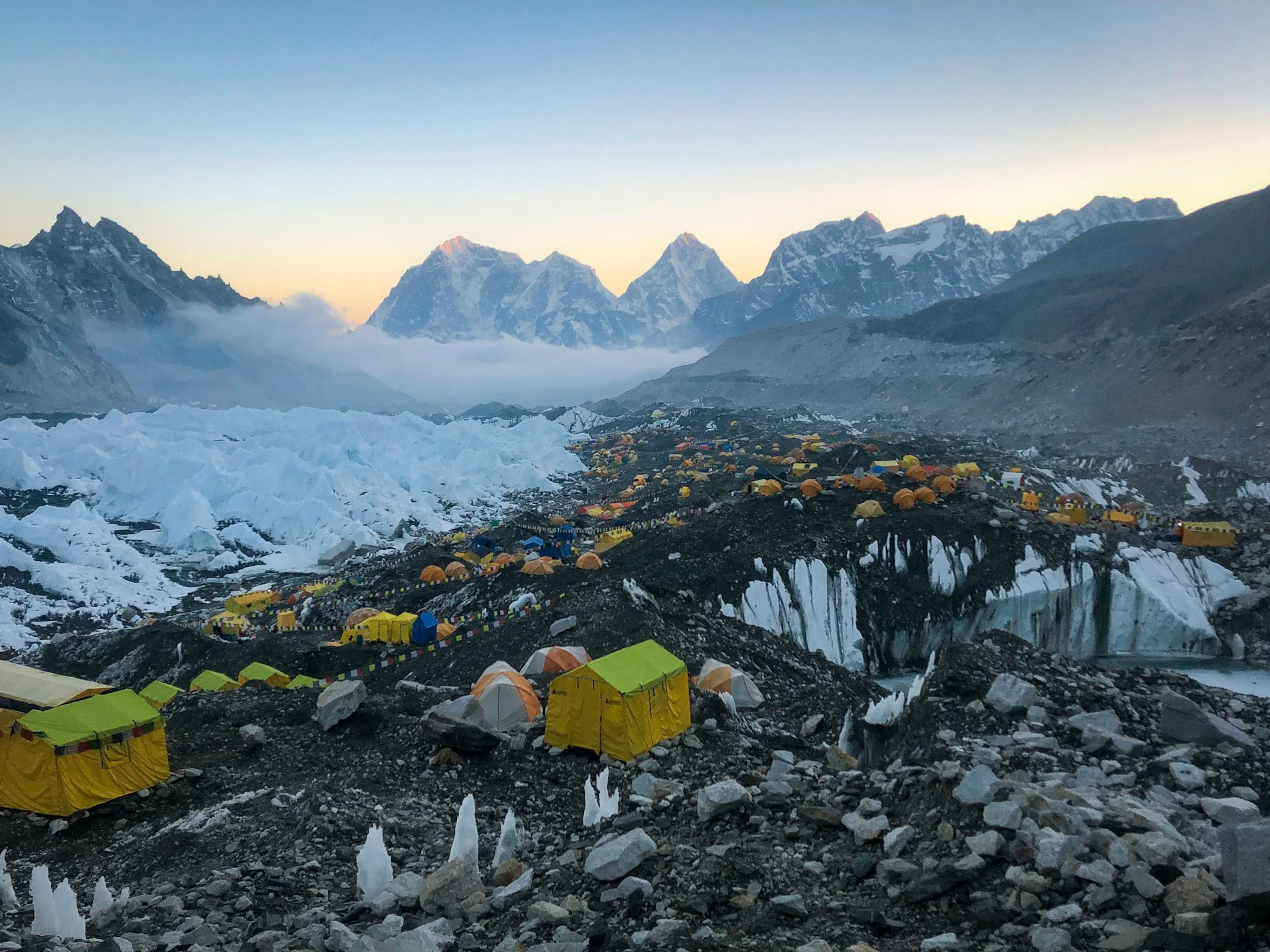
Everest Base Camp Trek
HomeTreksEverest Base Camp Trek
Nepal · Nepal

Everest Base Camp Trek

Everest Base Camp Trek – World’s Most Iconic Himalayan Trek

Difficulty
Trek DifficultyChallenging
Duration
Trek Duration15 Days / 14 Nights
Altitude
Highest Altitude5550m
Suitable For
Suitable For20 to 55 years
Distance
Total Trek Distance106 Kms
Basecamp
BasecampRamechap
Accommodation
AccommodationGender-specific homestay/lodge
Region
RegionNepal
Pickup
Pickup DetailsRamechap
Dropoff
Dropoff DetailsRamechap
📢 We have announced dates for 2026. Please scroll down to find the dates. Register soon as this is one of the fastest treks to fill. Click here to get personal help in planning this trek.

Highlights

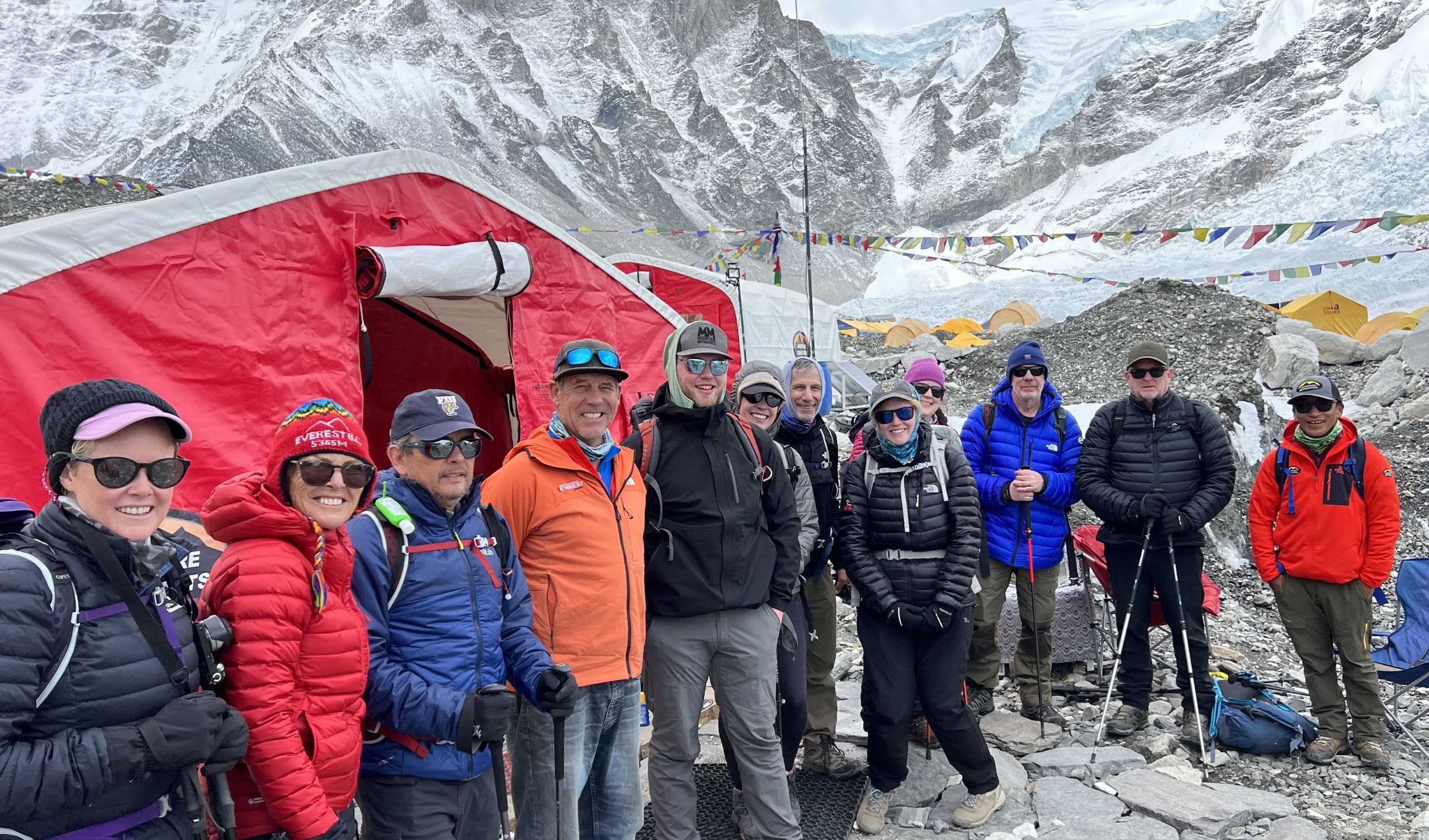
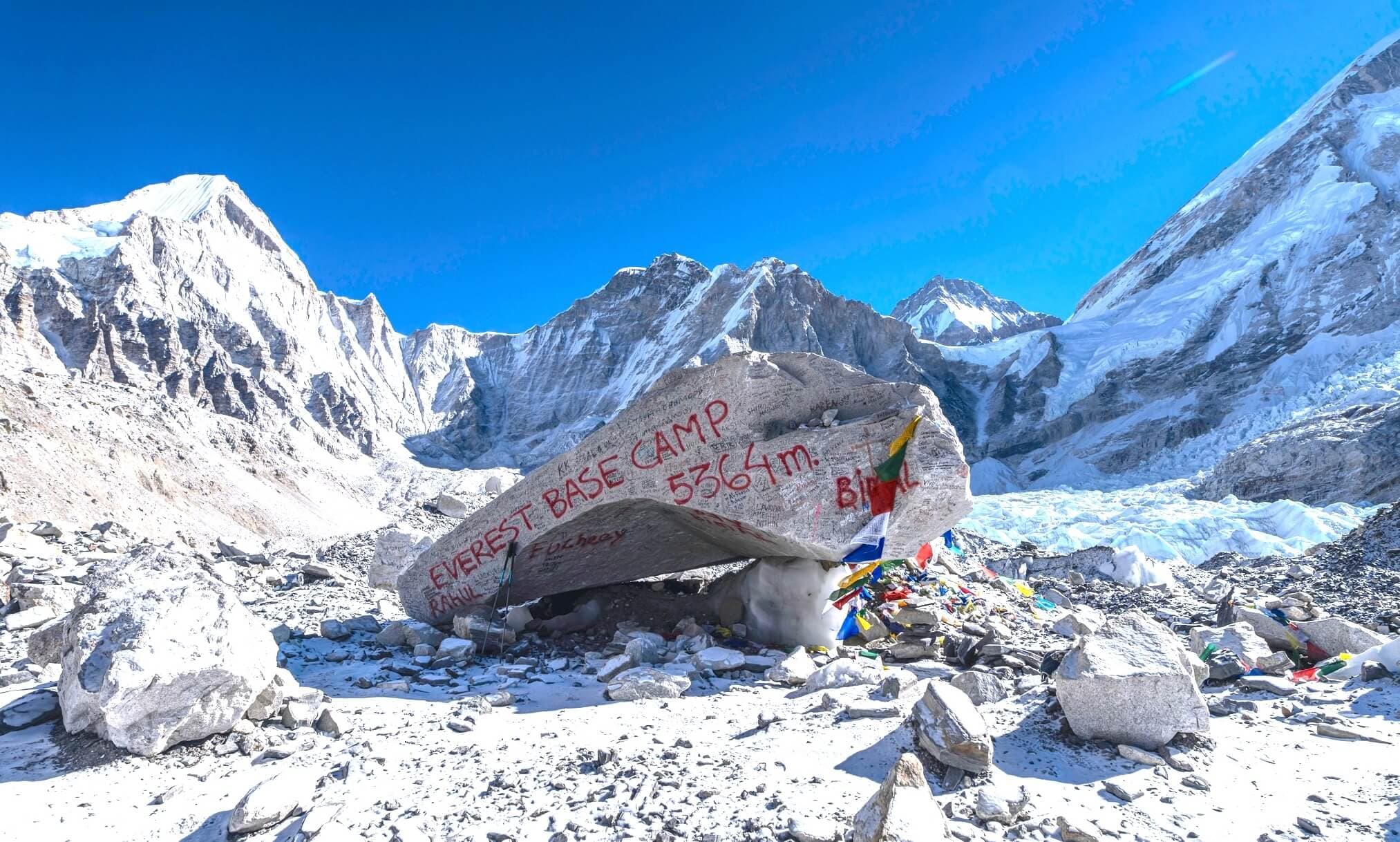
  • Reaching Everest Base Camp at 5,364 m
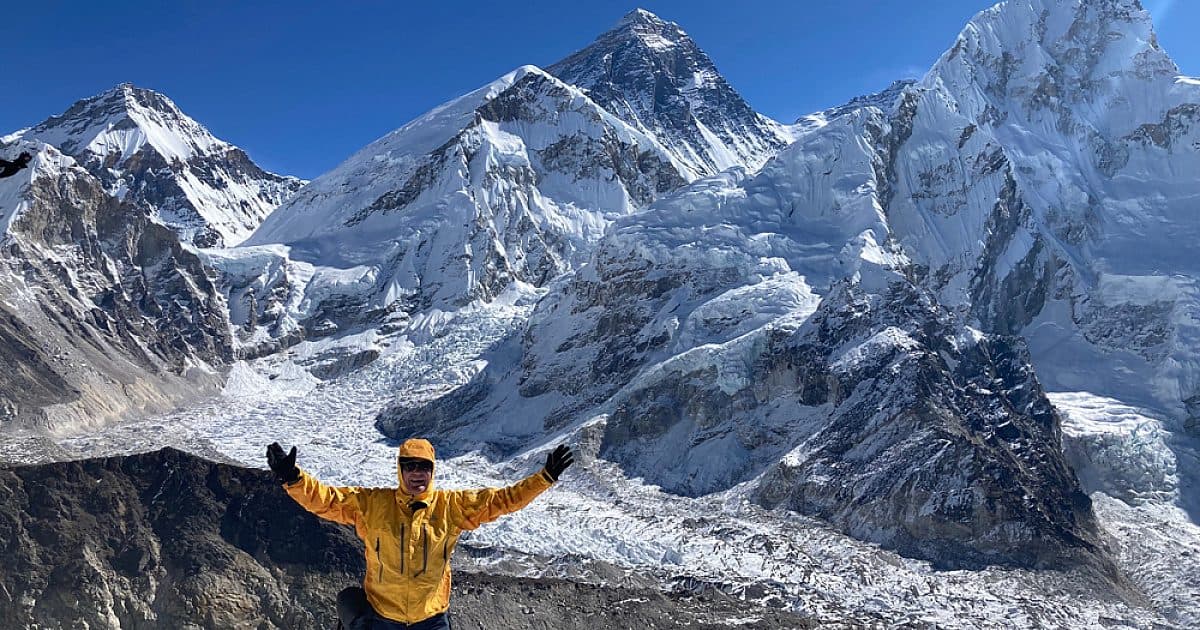
  • Sunrise view from Kala Patthar (5,545 m)
  • Experience local Sherpa culture and traditional Buddhist life

Everest Base Camp Trek — Overview

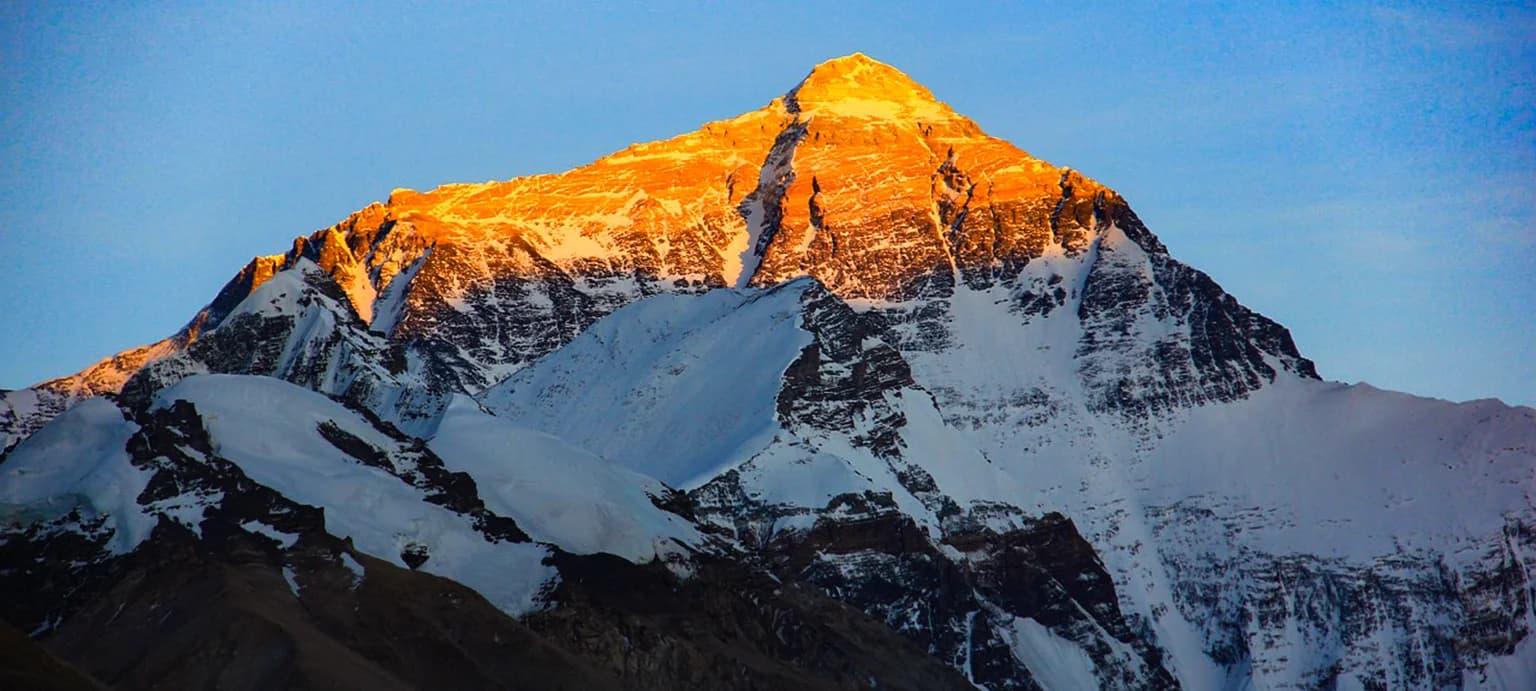
The Everest Base Camp Trek (EBC) is one of the most iconic and popular trekking adventures in the world. Located in Nepal’s Khumbu region, this trek takes you to the base of Mount Everest (8,848.86 m), the highest mountain on Earth. Every year, thousands of trekkers and adventure lovers choose this …

Everest Base Camp Trek — Complete Guide

Our mission has always been to ensure that no trekker steps into the Himalayas without the right perspective. A trek is not just a checklist of summits; it is a serious commitment to the outdoors. Having the right information is what separates a reckless climb from a soulful journey.

This section serves as your definitive manual for the Everest Base Camp Trek. We have distilled years of mountain experience and real-time feedback into this guide to give you a clear, honest picture of the trail.

We provide this depth of information because we want you to be more than just a visitor—we want you to be a prepared, responsible trekker who respects the mountains as much as we do.

Short Itinerary
Trek Summary at a Glance
Day 1: Arrival in Ramechap
Team will meet at Ramechap. Accommodation in Hotel.
Day 2: Ramechap to Lukla (Flight) to Phakding
Altitude: 2,630 m | Trek Duration: 4 hours | Trek: 7 km | Fly from Ramechap to Lukla and begin the trek to Phakding. Accommodation in Tea House.
Day 3: Phakding to Namchebazar
Altitude: 3,440 m | Trek Duration: 8 hours | Trek: 10 km | A long, scenic trek crossing suspension bridges into Namchebazar. Accommodation in Tea House.
Day 4: Acclimatization day at Namchebazar
We visit Everest View Lodge for acclimatization. Accommodation in Tea House.
Day 5: Namchebazar to Tengboche
Altitude: 3,930 m | Trek Duration: 4 hours | Trek: 5 km | Trek to the famous Tengboche Monastery. Accommodation in Tea House.
Day 6: Tengboche to Dingboche
Altitude: 4,410 m | Trek Duration: 7 hours | Trek: 7.5 km | Accommodation in Tea House.
Day 7: Acclimatization day at Dingboche
Rest and short hikes for acclimatization. Accommodation in Tea House.
Day 8: Dingboche to Labuche
Altitude: 4,910 m | Trek Duration: 6 hours | Trek: 7 km | Accommodation in Tea House.
Day 9: Labuche to Gorakshep & Everest Basecamp
Altitude: 5,140 m to 5,346 m | Trek Duration: 5 hours | Trek: 6 km | Trek to Gorakshep. After a one-hour rest, visit the most awaited part of the trek: Everest Basecamp (5,364 m). Accommodation in Tea House.
Day 10: Kalapatthar Summit and descent to Pheriche
Altitude: 5,550 m (Kalapatthar) | Trek Duration: 6 hours | Trek: 9 km | Early in the morning, push your limits for a sunrise view from Kalapatthar. Then move to Pheriche. Accommodation in Tea House.
Day 11: Pheriche to Tengboche
Altitude: 3,930 m | Trek: 7.5 km | Accommodation in Tea House.
Day 12: Tengboche to Namchebazar
Altitude: 3,440 m | Trek Duration: 5 hours | Trek: 5 km | Accommodation in Tea House.
Day 13: Namchebazar to Lukla
Altitude: 2,860 m | Trek Duration: 8 hours | Trek: 15 km | Accommodation in Tea House.
Day 14: Reserve Day / Phakding
One extra reserve day for unforeseen weather, otherwise we enjoy this day at Phakding during descent from Namchebazar. Accommodation in Tea House.
Day 15: Lukla to Ramechap (Flight)
Fly from Lukla to Ramechap. Trek ends at Ramechap.
Detailed Day-wise Itinerary
A Complete Route & Campsite Breakdown

Day 1: Arrival in Ramechap

Team will meet at Ramechap. Accommodation in Hotel.
Everest Base Camp Trek Difficulty & Experience
What to Expect: Terrain, Weather & Challenges

Difficulty: Challenging — Suitable for fit beginners.

You will cover a total distance over 15 trekking days, gaining significant altitude. The terrain includes steep ascents and rocky paths. Weather can change rapidly at altitude — rain, snow, and mist are common. Our Trek Leaders monitor conditions and make safety decisions accordingly.

Altitude: You will reach 5550m. At altitudes above 10,000 ft, the chances of Acute Mountain Sickness are real. Fitness helps, but even experienced trekkers can be affected.

Best Time to Visit Everest Base Camp Trek
Seasonal Weather & Temperature Guide

Best months to visit:

MarchAprilMaySeptemberOctoberNovember
How to Reach the Base Camp
Your Detailed Travel & Connectivity Guide

The base camp is accessible by road from Rishikesh or Haridwar. Nearest railway station is Haridwar; nearest airport is Jolly Grant Airport, Dehradun. We arrange pickup from Rishikesh.

Packing and Gear List
Your Complete Trekking Checklist
  • Layered woollen clothing (thermal base + mid-layer + rain jacket)
  • Trekking poles
  • Good quality trekking shoes (waterproof)
  • Sunscreen SPF 50+, sunglasses
  • Headlamp with spare batteries
  • Personal first aid kit and any prescription medicine
  • Water bottle (2L minimum)
  • Light snacks (nuts, dry fruits, energy bars)
Preparation & Fitness Tips
Train. Trek. Triumph: Your Complete Fitness Plan

Start training 6 weeks before the trek. Focus on:

  • Cardio — 45 minutes of jogging/cycling, 5 days a week
  • Stair climbing — builds leg and lung capacity
  • Squats and lunges — strengthen knees for steep descents
  • Weekend hikes — practice with a loaded backpack

Fitness Benchmark: Complete 5 km in under 40 minutes before the trek.

Himalayan Ibex Safety Standards & Expertise
Our Expertise Why We Are India's Trusted Trekking Community

Your safety is our priority. We bring oxygen cylinders, high altitude medical kits, and certified Trek Leaders who are trained as Wilderness First Responders.

What is Included & Excluded in Everest Base Camp Trek
What is Covered & NOT Covered in the Package
What is included in the trek fee?

Complete Package from Ramechap To Ramechap, Flights: Ramechap to Lukla round-trip flight, Permits: Sagarmatha National Park entry permit and Khumbu Pasang Lhamu Rural Municipality permit, Accommodation: Hotel in Ramechap, Tea Houses during the trek, Meals: Breakfast, Lunch, and Dinner during the trek, Support Staff: Experienced Treking Guide and Porters, Safety Equipment: Medical Kit, Oxygen Cylinders (for emergency).

What is not included?

Personal Expenses, Personal travel insurance (Mandatory for high altitude), Nepal Entry Visa fees, Meals in Ramechap before/after the trek, Optional Services: Backpack Offloading Available (extra cost on request).

Map of Everest Base Camp Trek Route
Complete Journey Pickup Point to the Peak

Detailed maps and GPS coordinates will be provided in your pre-trek briefing document.

Frequently Asked Questions (FAQs)
Your Curiosity, Our Commitment
Is Everest Base Camp Trek suitable for beginners?

Yes, with proper fitness preparation. The difficulty is rated Challenging.

The IBEX Spirit of Trekking

Our values on and off the trail

We're always ready for adventure
Trekking comes with uncertainty. Weather, terrain, and setbacks are part of the journey. We embrace them with resilience and openness.
We embrace low-noise trekking
We blend into nature, not the other way around. We avoid shouting, loud music, and noisy games. In silence, we hear birdsong, streams, and the wind.
We protect the environment
We minimise waste, reuse resources, and pick up litter. We carry eco-bags, segregate waste, and inspire others to preserve trails.
We are self-sufficient
We carry our load as much as possible, manage our gear, and stay prepared for all situations.
We support each other
We wait for each other, share burdens, and uplift teammates. By putting the group first, we build strong bonds.
We are fit and prepared
We train well before our treks. This helps us walk longer, handle emergencies, and contribute to the team.